


Bulk Sourcing vs Local Distributors for Better Margins
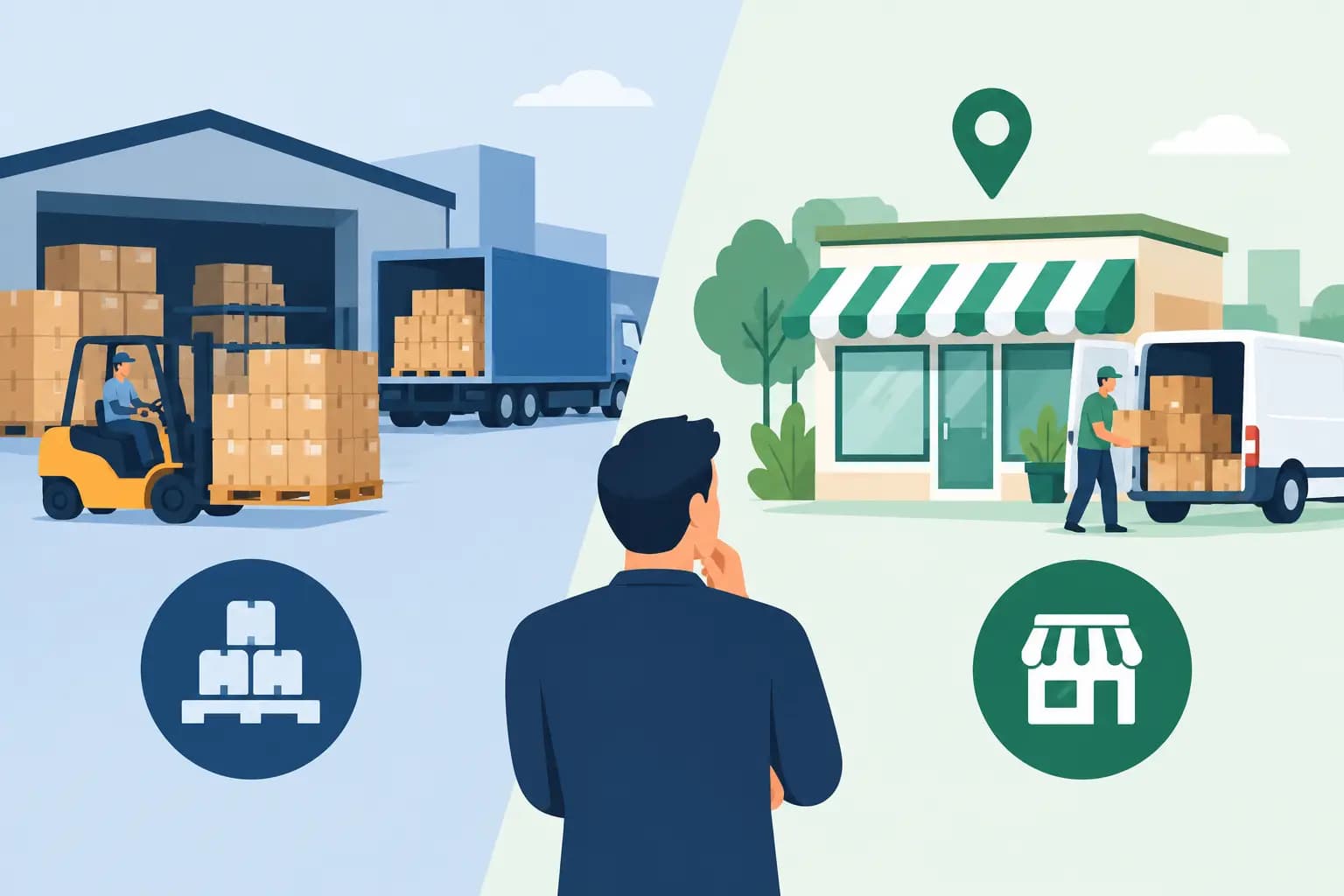
A local distributor can replenish a fast-selling item by next week. A bulk liquidation lot can put thousands of units into your warehouse at a price your competitors cannot match. That is the real decision behind bulk sourcing vs local distributors: not simply where to buy, but how much margin, inventory risk, and buying power your business is prepared to carry.
For discount retailers, importers, online sellers, and regional distributors, the best route is rarely a matter of habit. It depends on sell-through, storage capacity, working capital, lead time, and the quality of the offer in front of you. Buying local may protect cash flow. Buying in bulk can transform your cost base. Strong buyers know when each model earns its place.
Bulk Sourcing vs Local Distributors: The Margin Question
Bulk sourcing means purchasing large quantities directly from liquidation channels, surplus holders, manufacturers, export partners, or international stock traders. The offer may be a full truckload, container, pallet program, or a mixed lot with defined unit counts. Prices are usually lower because the buyer takes more volume, more responsibility, and often less flexibility.
Local distributors purchase, hold, break down, and deliver stock within a regional market. Their price includes that service: warehouse handling, local inventory, shorter delivery, credit terms in some cases, and the ability to order smaller quantities. That convenience has value, but it also adds layers between the original stock owner and your purchase price.
The margin difference can be substantial. If you buy a branded apparel closeout or household-goods overstock at liquidation level, you may acquire inventory well below normal wholesale cost. That creates room for retail markdowns, marketplace fees, freight, and still a profitable resale price. A local distributor may offer the same category in smaller quantities, but at a price that leaves less room for aggressive retail positioning.
Lower unit cost is not automatically better, however. A buyer who saves 35% on inventory but pays too much for storage, freight, customs handling, and slow-moving stock has not created a better deal. The landed cost matters, not the advertised cost per unit.
When Bulk Sourcing Produces the Stronger Deal
Bulk buying performs best when demand is proven and your operation can move inventory at volume. A chain store with regular foot traffic, an established online seller with reliable product data, or a distributor with a reseller network can turn a large lot into a margin opportunity rather than a warehouse problem.
It is especially effective in categories where customers respond to value and brand recognition. Branded footwear, tools, toys, cookware, consumer electronics, sportswear, and household goods can sell quickly when the price is right. Closeout stock also gives discount retailers the flexibility to create promotional events, bundle products, and compete on price without sacrificing every dollar of margin.
Bulk sourcing is also the right option when local supply is tight or predictable local pricing leaves little room to compete. Importers often buy directly because they need an offer that supports resale to smaller regional buyers. If you are buying from a local distributor and then selling onward to retailers, you may be adding another margin layer to a product that has already passed through several hands.
The strongest bulk opportunities have clear commercial facts: product category, brand status, SKU count, total units, condition, origin market, packing details, price basis, and available quantity. A vague offer is not a bargain. It is an unanswered question that can become an expensive shipment.
The trade-off: more control, more exposure
A bulk buyer controls inventory, pricing, and customer allocation. That is a major advantage when demand is strong. It also means carrying the exposure if a trend changes, a product does not match local preferences, or a large portion of the lot moves slower than expected.
Before committing, calculate the full purchase picture: goods cost, inland transport, international freight, insurance, duty, customs clearance, warehouse labor, storage, marketplace charges, and expected markdowns. Then compare that landed cost with a realistic selling price, not the highest price shown by a competitor.
A mixed pallet or mixed-category lot may be attractive because it spreads product variety across your sales channels. But it requires more receiving work, more listing effort, and better inventory control. If your team cannot inspect, sort, price, and sell mixed stock quickly, a simpler uniform lot may generate a better return even at a slightly higher unit cost.
When Local Distributors Are the Better Buying Route
Local distributors win on speed and flexibility. If an item is selling this weekend, a smaller local order can be more profitable than waiting several weeks for an import shipment. The higher purchase price may be justified because the goods start earning revenue sooner and require less capital upfront.
This route also works well for testing. A retailer entering a new category does not need a container of unfamiliar products to learn what customers want. A smaller distributor order can validate price points, colors, sizes, packaging, and seasonal demand before the buyer commits to volume.
Local buying reduces some cross-border complexity. Documentation, customs, duty classification, port delays, currency shifts, and international claims may already be handled by the distributor. For a smaller business without experienced procurement staff, that reduction in operational risk can be worth the extra cost.
There is another practical reason to use local distributors: replenishment. Even a business built on container purchases needs a way to fill short-term gaps. If your core line is running low, a local supplier can protect shelf availability while your next bulk shipment is in transit.
The limitation is pricing power. Local distributors need their own margin, and their available assortment is often narrower than global stock markets. Buyers can become dependent on a familiar local catalog and miss high-value excess inventory that could differentiate their offer.
Build a Two-Track Buying Strategy
Most growing wholesale businesses should not treat this as an either-or decision. The practical model is to use bulk sourcing for core margin opportunities and local distributors for replenishment, testing, and urgent demand.
For example, a discount retailer might buy a large quantity of proven branded household goods for a quarterly promotion, then use local supply to replace best sellers between shipments. An e-commerce reseller may secure bulk footwear or apparel stock for its main catalog while purchasing a small local assortment to test new styles. A regional distributor can use direct international sourcing for high-volume accounts and local partners for smaller, irregular customer orders.
This two-track approach prevents two common mistakes. The first is paying local-distributor prices for every item, even when volume and demand justify direct buying. The second is filling a warehouse with low-cost stock without a clear exit plan.
To make the model work, separate your purchasing into clear categories. Core products are repeatable, high-confidence items that justify bulk commitments. Test products are uncertain lines bought in smaller quantities. Opportunity stock includes one-time liquidation deals that can produce excellent margin but need a defined sales plan before purchase. Replenishment stock protects availability when time matters more than maximum discount.
Questions to Ask Before You Commit
Do not evaluate a deal on discount percentage alone. A 70% stated discount is meaningless if the original reference price is unrealistic or the goods are difficult to resell. Ask practical questions that affect the result.
- What is the exact unit count, SKU mix, condition, and packing format?
- Is the price ex-works, delivered, or quoted with freight included?
- What documents are available for the product, brand, and export process?
- What is the expected delivery window, and what happens if it moves?
- Which sales channel will absorb the stock, and how quickly?
- What is the downside if 20% of the lot sells slowly or requires markdowns?
For international offers, request enough information to make a real landed-cost calculation. Confirm origin, commodity details, pallet dimensions, weight, and shipping terms before you compare the offer with local alternatives. If branded stock is involved, verify the commercial paperwork and resale suitability for your market.
Experienced wholesale partners make this process faster by providing clear offer data and helping buyers align freight, quantities, and destination requirements. GLOBAL STOCKS focuses on that practical side of bulk trade: fresh international inventory, large-quantity offers, and support for buyers who need stock moved across borders correctly.
Choose the Supply Route That Fits the Sale
The right purchase is the one that matches your ability to sell, store, finance, and replenish the goods. Use local distributors when speed, small quantities, and lower operational exposure protect the business. Use bulk sourcing when proven demand and buying capacity allow you to capture the margin that smaller orders leave behind.
Keep your buying decisions close to actual sell-through. When a high-volume opportunity arrives with clear stock details, workable freight, and a defined customer for the goods, move quickly. Good inventory does not stay available forever, and the best wholesale margins are usually claimed by buyers who can evaluate the numbers without delay.