


How to Arrange Cross-Border Deliveries for Bulk Stock
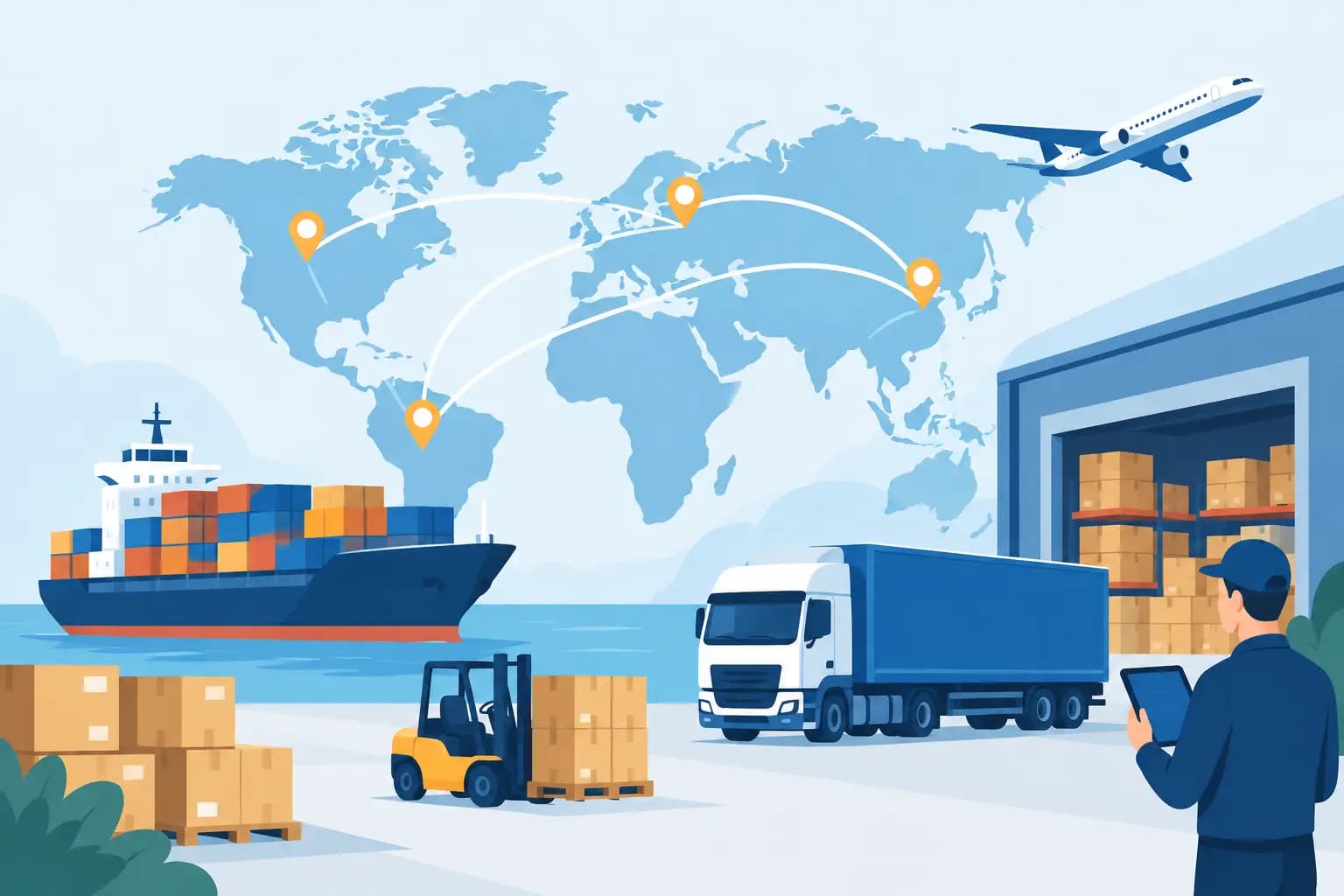
A liquidation deal can look profitable on paper and still lose money between the supplier’s warehouse and your receiving dock. A low unit price means little if pallets are measured incorrectly, customs documents are incomplete, or the buyer discovers too late that destination charges were never included. Knowing how to arrange cross-border deliveries is part of buying stock well, not a task to leave until after the order is paid.
For wholesale buyers, the objective is simple: move saleable inventory across borders at a predictable landed cost, with clear responsibility at every handoff. That requires more than booking a truck or container. It requires verified cargo data, the right trade terms, a freight plan that fits the lot, and customs preparation before the goods leave origin.
Start With the Commercial Terms, Not the Freight Quote
Before requesting transport pricing, confirm exactly what is being sold and where responsibility changes hands. Ask for the total number of units, cartons, pallets, gross weight, pallet dimensions, pickup address, country of origin, and the goods’ commercial value. For mixed liquidation lots, request a packing list that separates product categories where possible. Apparel, toys, cookware, electronics, tools, and industrial equipment may require different classifications or compliance checks.
The freight rate is only one part of landed cost. Your calculation should also account for export handling, pickup, terminal fees, customs brokerage, import duty, taxes, inspection risk, cargo insurance, delivery appointments, and unloading. A container that looks cheaper than pallet freight may not be the right choice if the lot does not fill enough space or if the destination warehouse cannot receive it efficiently.
Do not accept vague wording such as “shipping included” without defining the route and scope. Confirm whether the price covers collection from the seller, export customs formalities, ocean or air transport, import clearance, final delivery, and any local charges. A quote without these details is not a cost you can rely on.
Choose Incoterms That Match Your Control Level
Incoterms define which party handles transport stages, costs, and risk. They do not replace a purchase contract, but they stop many avoidable disputes when used correctly.
For experienced importers, FCA can be practical when you want your own forwarder to collect goods from the supplier or warehouse. You control the freight booking and can compare rates across providers. However, you must be ready to coordinate export paperwork and collection timing.
FOB is commonly used for containerized ocean freight, but buyers should be precise about the named port. Under FOB, the seller is responsible until the goods are loaded on board at origin. This can work for full container loads, though it is often misused for palletized or consolidated cargo.
CIF may appear convenient because the seller arranges freight and insurance to the destination port. The trade-off is reduced control. You may still face destination charges, customs costs, and delivery arrangements that were not visible in the initial offer. Ask for the carrier, transit time, insurance coverage, and all charges payable after arrival.
DAP can be attractive for buyers who need freight delivered to a specific address but will handle import clearance and duties themselves. DDP places more responsibility on the seller, but it is only reliable when the seller has a proven ability to act correctly in the destination market. A cheap DDP offer can create serious problems if duties are underdeclared or the importer of record is unclear.
The right term depends on shipment size, your customs capability, and how much control you need. For repeat buyers moving regular volume, controlling freight through a trusted forwarder often produces better visibility and stronger negotiating power.
Build the Shipment File Before Cargo Moves
Customs clearance starts with data, not with the truck arriving at the border. Build a shipment file while the stock is still at the supplier’s facility. Your customs broker and freight forwarder should review it before departure, especially for new product categories or unfamiliar origin markets.
A complete file normally includes these core documents:
- Commercial invoice with seller and buyer details, product description, quantity, unit value, currency, and Incoterm
- Packing list showing cartons, pallets, weights, dimensions, and marks or labels
- Bill of lading, air waybill, or road transport document once freight is booked
- Customs tariff classification and country-of-origin information for each relevant product group
- Certificates, declarations, test reports, or permits required for regulated goods
Descriptions matter. “Mixed stock” is not an acceptable customs description on its own. Use language that identifies the goods clearly, such as men’s branded footwear, stainless steel cookware, cordless power tools, or retail-packaged consumer electronics. Accurate descriptions reduce clearance delays and help prevent incorrect duty treatment.
For branded merchandise, maintain a clear chain of documents showing lawful commercial supply. Importers should be able to demonstrate what they bought, from whom, and in what quantities. This is particularly important for liquidation stock, parallel-market goods, and products subject to trademark enforcement.
Match the Freight Method to the Lot
There is no single best delivery method for wholesale stock. The right choice depends on volume, urgency, value density, fragility, and destination.
Palletized road freight is often efficient for regional shipments and partial truckloads. It gives buyers flexibility when purchasing smaller lots from European warehouses or nearby markets. Confirm whether the rate includes loading equipment, tailgate delivery, fuel surcharges, border formalities, and a timed delivery appointment.
Less-than-container-load ocean freight can make sense for larger international orders that do not justify a full container. It reduces the upfront freight commitment, but consolidated cargo can involve more handling, longer transit, and destination fees. For fragile or high-value goods, assess whether the savings justify those risks.
A full container load is usually the strongest option when volume is sufficient and inventory can be loaded efficiently. It provides better control, lower cost per cubic foot, and fewer handling points. The key is realistic loading data. Do not estimate container capacity based only on pallet count. Carton dimensions, stackability, weight limits, and whether pallets can be floor-loaded all affect usable space.
Air freight is generally reserved for urgent replenishment, samples, high-margin electronics, or compact goods where speed protects a larger commercial opportunity. It is rarely the right answer for low-value, bulky liquidation inventory.
Control Customs Risk Before It Becomes a Delay
Customs is where small paperwork mistakes turn into storage fees, inspections, and missed sales windows. Appoint the importer of record clearly and make sure that entity has the required tax registrations, customs bond where applicable, and authority to import the goods.
Work with a broker that understands your product categories and destination market. Send documents early, not after the cargo arrives. If a broker identifies missing origin data, inconsistent values, restricted materials, or labeling requirements before departure, you still have time to correct the issue without paying demurrage or warehouse storage.
Be cautious with unusually low declared values. Customs authorities may challenge them, and the resulting delay can cost more than the duty savings. Declare the actual transaction value and keep supporting purchase records. For bulk buyers, compliance protects the repeat business model. One problematic shipment can affect future clearances and supplier relationships.
Plan the Final Mile Like a Warehouse Operation
A shipment is not finished when it clears the port or border. Confirm who books the delivery appointment, what vehicle type will arrive, whether your warehouse has a dock, and whether a forklift is available. A 40-foot container, a curtain-side truck, and a liftgate delivery all require different receiving conditions.
Before delivery, tell your warehouse team the expected pallet count, condition requirements, and any product groups that need separate quarantine or quality checks. Count pallets before signing the carrier’s proof of delivery. Photograph visible damage, broken wrap, wet cartons, or shortages immediately. If the damage is not recorded at delivery, recovering a freight claim becomes much harder.
Cargo insurance deserves the same attention. Carrier liability is often limited and may not cover the stock’s invoice value. Insurance is especially sensible for container loads, high-value branded goods, electronics, and routes involving several transfer points. Read the exclusions carefully, including packaging standards, theft conditions, and claims deadlines.
Keep a Single Owner for Every Shipment
Cross-border delivery fails when the seller, forwarder, broker, carrier, and buyer all assume someone else is handling the next step. Assign one person on your team to own the shipment file and maintain a live checklist from collection through receipt. That person should know the pickup date, vessel or flight details, customs status, expected arrival, delivery booking, and who can approve extra costs.
For buyers sourcing frequent stock offers, a dependable logistics partner can turn transport from a recurring problem into a predictable purchasing advantage. GLOBAL STOCKS supports cross-border stock movement as part of the buying process, but the strongest results come when the buyer also provides accurate receiving details, fast document approvals, and clear import instructions.
Treat delivery as part of the deal you are buying. When the cargo data, Incoterms, customs file, and warehouse plan are agreed before payment and pickup, you can evaluate stock on the number that matters most: the real cost of inventory ready to sell.