


Mixed Pallet Inventory for Retailers That Moves
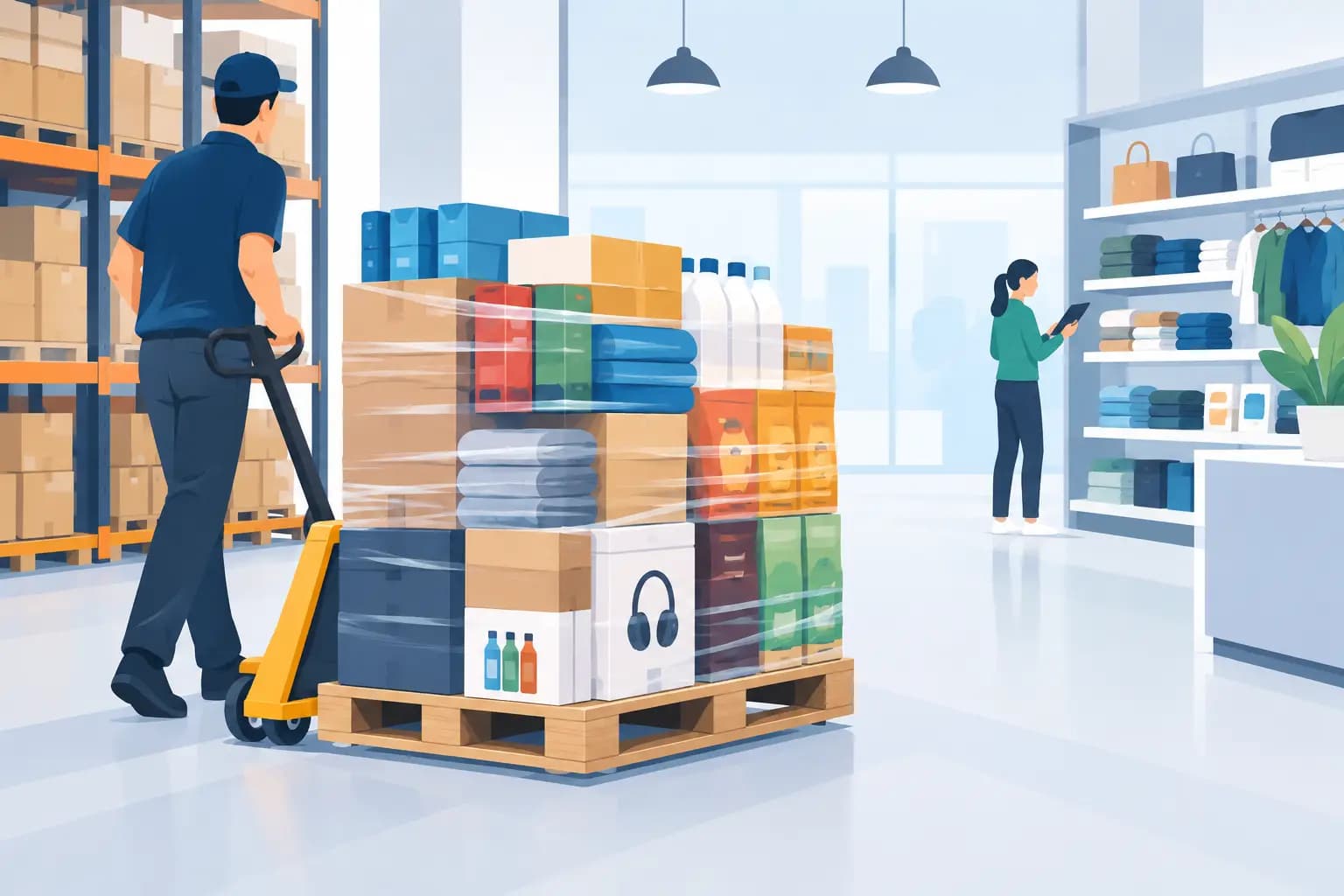
A single-category pallet can be easy to count, but it can also leave a retailer with the same product sitting in the same place for too long. Mixed pallet inventory for retailers offers a different commercial advantage: more variety per delivery, more pricing options on the floor or online, and more chances to turn a bulk purchase into daily sales. The opportunity is real, but only when the buyer knows what is inside the lot, what condition it is in, and how quickly each category can move.
Why Mixed Pallet Inventory for Retailers Can Perform
Mixed pallets combine multiple products, SKUs, sizes, colors, or categories in one shipment. A lot may include apparel, footwear, housewares, toys, small electronics, tools, seasonal goods, or customer-return merchandise. For discount stores, independent retailers, market traders, and online resellers, this variety can create a more compelling assortment without placing separate minimum orders across several suppliers.
The commercial logic is simple. Customers often enter a store for one low-priced item and leave with two or three. A mixed pallet supports that behavior because it gives buyers more reasons to browse. It also reduces dependence on one product line. If a cookware item slows down, toys, apparel, or home goods may still carry the lot's overall turnover.
There is a margin benefit as well. Liquidation and surplus stock are commonly priced below standard wholesale levels because suppliers need warehouse space, need to close an assortment, or have excess inventory after a season, cancellation, or retail reset. Retailers who buy correctly can price part of the stock aggressively to create traffic while holding stronger-margin items for regular resale.
That does not mean every mixed lot is automatically profitable. Variety without usable product information becomes risk. The strongest purchases are not simply the cheapest pallets. They are the lots with a clear stock profile, realistic condition description, a sensible landed cost, and products that match the retailer's customer base.
Start With the Sales Channel, Not the Pallet Price
A low purchase price can look attractive until the goods arrive and do not fit your business. Before requesting an offer, define where the inventory will be sold. A neighborhood discount store, an Amazon seller, a chain outlet, a flea market operator, and a regional distributor can all buy the same pallet but need very different product mixes.
For a physical value retailer, broad everyday categories usually work well: household goods, kitchen accessories, basic apparel, toys, small tools, and practical seasonal items. The goal is visible value and frequent refresh. For an e-commerce seller, identifiable brands, barcodes, complete packaging, model numbers, and predictable shipping sizes matter more. A pallet full of low-value bulky items may generate sales but absorb too much fulfillment cost.
Ask a direct question before buying: can this stock be sold through my existing channels within a reasonable period? If the answer depends on creating a new website, renting extra storage, or finding a new customer type, the lot may not be as cheap as it appears.
Build a target product profile
A practical buyer creates a short buying profile before reviewing offers. It should state the categories accepted, categories avoided, preferred condition, maximum landed cost per unit, and the stock volume the business can process each week. This prevents impulse buying when a supplier presents a large discount.
For example, a retailer may accept new overstock apparel and home goods, take customer returns only when tested, and avoid unbranded electronics with missing accessories. Another buyer may specialize in tools and accept damaged retail boxes because the end customer is trade-focused. The right profile depends on the operation, not on a universal rule.
What to Verify Before You Commit
Mixed inventory needs a more disciplined review than uniform case-pack goods. Buyers should request the available manifest, packing list, category breakdown, photos, origin market, pallet count, total unit count, and condition grade. If an exact SKU-level manifest is unavailable, a reliable category estimate and honest explanation of the lot's source are still valuable.
Condition labels deserve close attention. New, surplus, overstock, shelf pull, closeout, open-box, and customer return are not interchangeable terms. New overstock may be ready for immediate retail sale. Shelf pulls can be sellable but may carry stickers, minor packaging wear, or missing presentation materials. Customer returns require a separate testing, sorting, or parts-recovery plan.
Also verify whether the inventory is branded, unbranded, licensed, season-specific, or restricted for sale in certain markets. Branded goods can raise sell-through and average selling price, but retailers should make sure labeling, documentation, and resale territory are appropriate. For cross-border purchases, confirm the commercial invoice, customs requirements, duties, product compliance, and any category-specific restrictions before the shipment leaves origin.
A buyer should also distinguish between unit count and sellable count. A pallet containing 1,000 pieces is not necessarily 1,000 retail-ready units. Estimate a conservative recovery rate for damaged, incomplete, obsolete, or slow-moving goods. That estimate protects the margin before the deal is closed, not after cash is tied up.
Calculate Landed Cost and the Real Margin
The supplier price is only the starting point. Landed cost includes the inventory price, freight, insurance where needed, duties, customs clearance, unloading, storage, sorting labor, testing, repacking, and marketplace fees if applicable. A pallet bought at $2 per unit can become a $4.50 unit quickly when international transport and processing are added.
Use a simple commercial model: estimate the total cost of the lot, reduce the total units by the expected non-sellable percentage, then divide. This gives a more realistic cost per sellable unit. Next, compare that number with your expected average selling price, not the highest ticket price found online.
Suppose a 1,200-unit lot costs $3,600 delivered and you expect 10% to be unsellable. Your cost is not $3 per unit. It is approximately $3.33 per sellable unit before store labor and selling costs. If the realistic average selling price is $8, the deal may work. If only a small group of products can reach $8 while most will clear at $3, the margin is already under pressure.
Retailers should plan for a three-tier pricing approach. Strong branded or high-demand items can carry normal margin. Everyday goods can be priced for fast turnover. Weak packaging, incomplete sets, or slow categories should be marked for clearance quickly. Holding low-value stock for months is rarely a better decision than recovering cash and buying the next opportunity.
Receiving and Sorting Determines the Result
Many buyers focus heavily on buying and underestimate processing. In mixed pallets, receiving discipline is where margin is protected. Count pallets at delivery, photograph external condition, compare documents with what arrived, and flag visible transit damage before signing off when possible.
Sort stock immediately into sell-now, test or inspect, bundle, clearance, and non-sellable groups. Do not let unopened mixed pallets occupy warehouse space for weeks. Until the goods are processed, the buyer does not know the true inventory position or the true cost of the deal.
For smaller operations, sorting by category and price band may be enough. Larger retailers should also record SKU, barcode, quantity, location, condition, and expected retail price. This makes replenishment easier and shows which sources and categories repeatedly produce profitable results.
Bundling can recover value from lower-ticket items. A group of kitchen utensils, craft supplies, children's accessories, or basic phone accessories may sell better as a value set than as individual pieces. However, do not bundle simply to hide poor-quality stock. The bundle still needs a clear customer benefit and a price that moves.
Buy for Repeatability, Not One Lucky Deal
The best liquidation buyers develop a repeatable sourcing process. They know their preferred categories, their acceptable condition grades, their processing capacity, and their target gross margin. They also maintain supplier relationships because recurring access to clear, well-described offers is more valuable than a single exceptional pallet.
GLOBAL STOCKS supports this kind of buying with international surplus and liquidation offers across consumer and industrial categories, along with practical assistance for shipment planning and custom stock requests. For retailers buying across borders, responsive communication and accurate lot information are part of the product.
Start at a volume your team can inspect and sell. A smaller trial lot may deliver better intelligence than a truckload purchased on assumption. Once a supplier, category, and grading standard prove profitable, scale with confidence. The next mixed pallet should not feel like a gamble. It should be a calculated purchase with a clear route from warehouse floor to customer basket.